

Digital‑transformation construction pushes forward the upgrading of weak‑current wiring systems. As a key wiring component, the Connection Module realizes fast cable termination and circuit centralized management. Engineering purchasers often Buy Connection Modules in batches to build stable High‑Quality Connection Solutions for machine rooms, communication cabinets and building integrated wiring. Housing material, terminal‑contact craft and locking‑structure rationality directly determine the overall wiring quality. This article conducts comprehensive interpretation from product comparison, material‑science popularization, multi‑scene application schemes and frequently‑asked questions.
Different wiring‑connection products have respective advantages and limitations, rational comparison helps engineering customers make scientific procurement decisions.
- Simple quick‑connect terminal: low cost, easy operation. Without locking structure, anti‑vibration performance is poor. Only fit for temporary experimental wiring, unable to support long‑term stable High‑Quality Connection Solutions.
- Ordinary low‑grade connection module: simple plastic housing, low‑cost iron contacts. Low procurement cost, but contacts are easy to oxidize. Poor dimensional consistency, easy to loosen after long‑time vibration, not suitable for core machine‑room scenarios.
- Telecom‑grade wiring connection module (this product): mainstream high‑performance Connection Module for communication industry. Adopt flame‑retardant engineering‑plastic housing and copper‑alloy plated contacts. Equipped with locking buckle and cabinet‑card‑mounting structure. Easy for batch installation. When engineering teams Buy Connection Modules, it is the preferred choice to realize reliable High‑Quality Connection Solutions. Its shortcoming is higher procurement cost than entry‑level products, suitable for formal communication‑engineering projects.
Raw‑material and structural‑design level are core factors of high‑performance Connection Module. Qualified products adopt flame‑retardant modified engineering plastics as housing material. This material features good insulation, impact resistance and aging resistance, adapting to long‑term working inside communication cabinets. Internal conductive contacts adopt copper‑alloy base material with anti‑oxidation plating. It keeps stable contact pressure after repeated wiring, effectively avoiding signal attenuation and virtual connection. The integrated locking‑buckle structure ensures firm installation in cabinet, preventing displacement caused by vibration. Many low‑cost products adopt recycled non‑flame‑retardant plastics and iron contacts. Housing is easy to age and deform; contacts are prone to rust. Once put into use, it will bring hidden troubles to the whole wiring system and cannot reach the standard of High‑Quality Connection Solutions. Enterprises shall strictly check raw‑material indexes when they Buy Connection Modules.
Telecom‑grade Connection Module provides complete supporting solutions for multiple communication‑engineering scenarios.
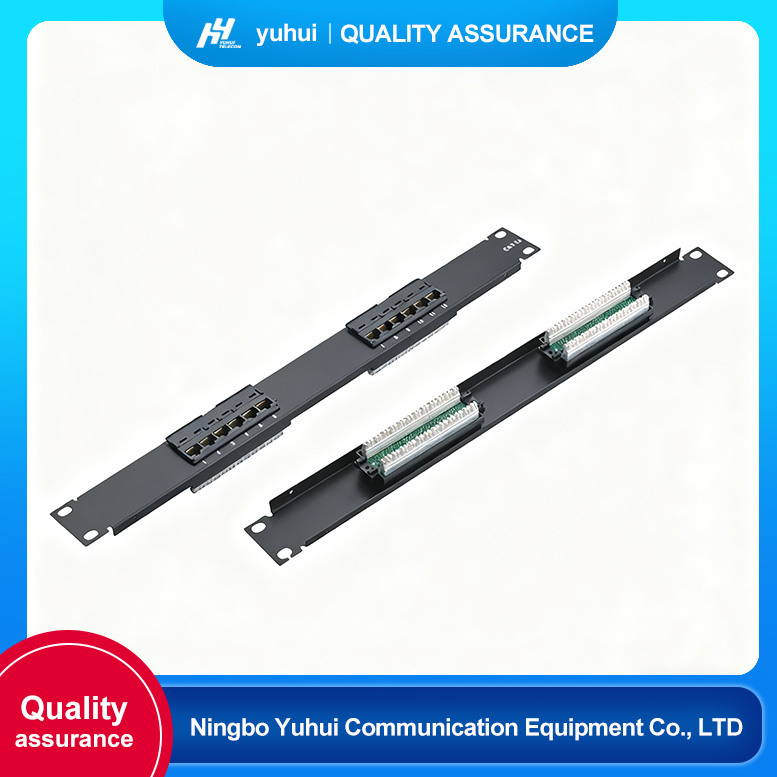
- Operator‑telecom‑room solution: realize large‑quantity cable termination and circuit shunting, build stable High‑Quality Connection Solutions for communication network.
- Enterprise‑data‑machine‑room solution: used for local‑network weak‑current wiring, convenient for later‑stage circuit adjustment and fault maintenance.
- Real‑estate integrated‑wiring solution: applied to residential and office‑building weak‑current distribution boxes, realize centralized management of telephone and network cables.
- Engineering‑project batch‑procurement solution: contractors Buy Connection Modules in batches to support large‑scale network‑construction projects.
- Old‑equipment‑renovation solution: replace aging wiring components, renovate original circuit system and improve the stability of existing network.
Summarize frequently‑asked questions in actual application of the Connection Module.
Q1: What risks will appear if selecting low‑cost products when users Buy Connection Modules for High‑Quality Connection Solutions?
A: Non‑flame‑retardant plastic may age and deform; inferior contacts are easy to oxidize, leading to poor contact, signal interruption and even potential safety hazards of circuit.
Q2: Why does the connection module have signal‑transmission failure?
A: Possible reasons include incomplete wire clamping, oxidation of metal contact terminals, housing deformation leading to poor locking, and mismatched wire diameter. Re‑check wiring and select qualified modules.
Q3: Can the connection module be used in high‑humidity outdoor environment?
A: This product is designed for indoor cabinet‑installation. It is not suitable for direct outdoor exposure. If used outdoors, additional sealed protective boxes are required.
Q4: How to judge whether the locking‑buckle of the connection module is installed in place?
A: After card‑mounting, there shall be no shaking or displacement. The buckle shall be stuck tightly on the cabinet guide rail. Loose installation will cause vibration displacement and affect High‑Quality Connection Solutions.
Q5: What should be noticed during module disassembly‑and‑maintenance?
A: Try to avoid live‑wire operation. Do not violently pry the plastic buckle to prevent housing breakage. Check contact terminals for oxidation and dust accumulation regularly.
With the continuous expansion of network‑infrastructure construction, the market demand for high‑performance wiring components keeps growing. As core wiring hardware, the Connection Module undertakes important tasks of signal transmission and circuit management. When engineering customers Buy Connection Modules, they shall take material performance and industry standards as core indexes, so as to build reliable High‑Quality Connection Solutions. Standard installation and periodic inspection can effectively reduce wiring‑fault risks and guarantee stable operation of the whole network system.
